

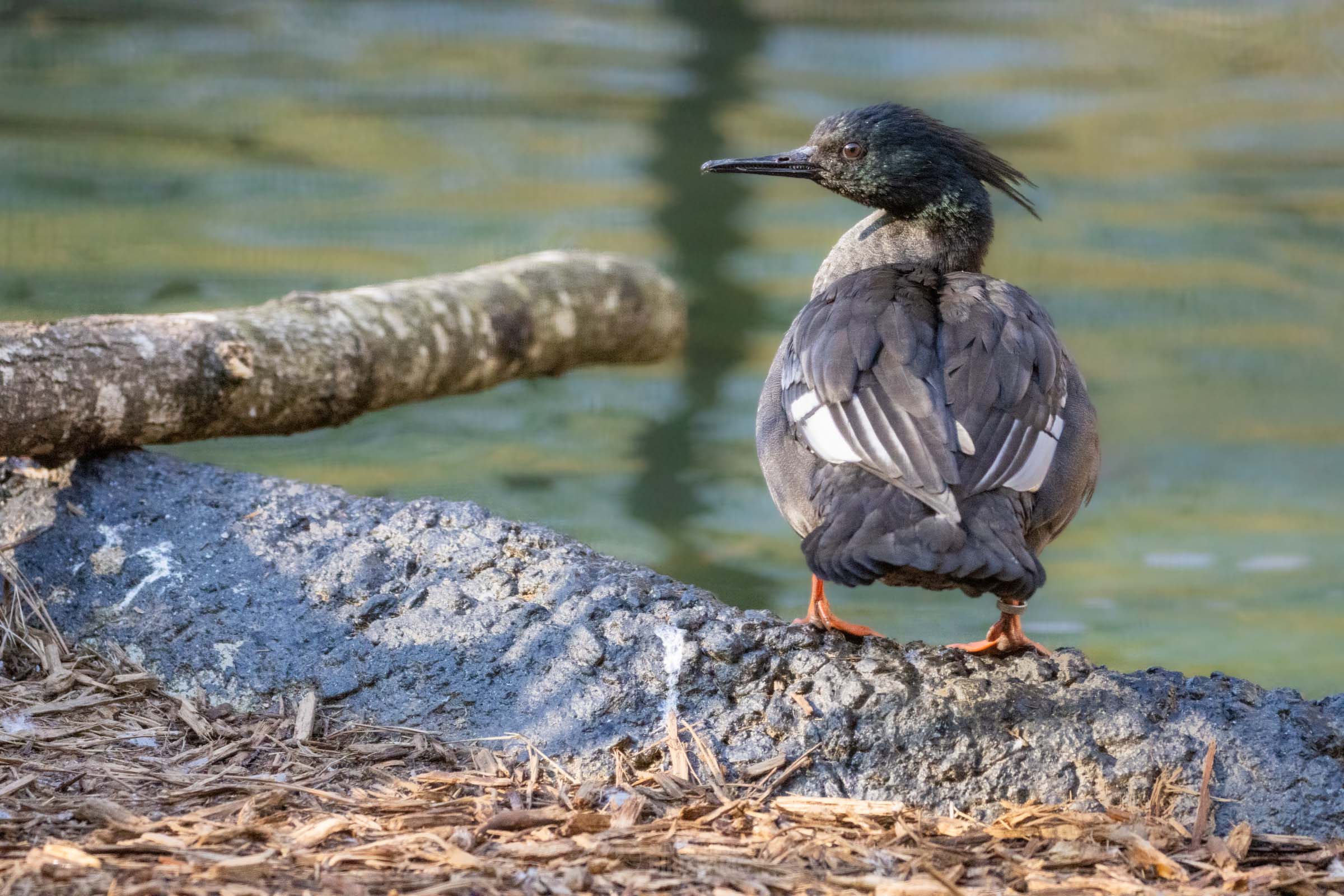
Sylvan Heights Bird Park recently welcomed one of the world’s rarest ducks to North America for the first time.
One of the world’s most endangered waterfowl species now has a new sanctuary at Sylvan Heights Bird Park. In December 2025, nine Brazilian Mergansers – five males and four females – traveled to Scotland Neck, North Carolina from Zooparque Itatiba in São Paulo, Brazil as part of a collaborative conservation breeding program for the species. This marks the first time that Brazilian Mergansers have ever been in North America, and Sylvan Heights Bird Park is one of only two facilities outside of Brazil to be entrusted with the care of these rare birds.
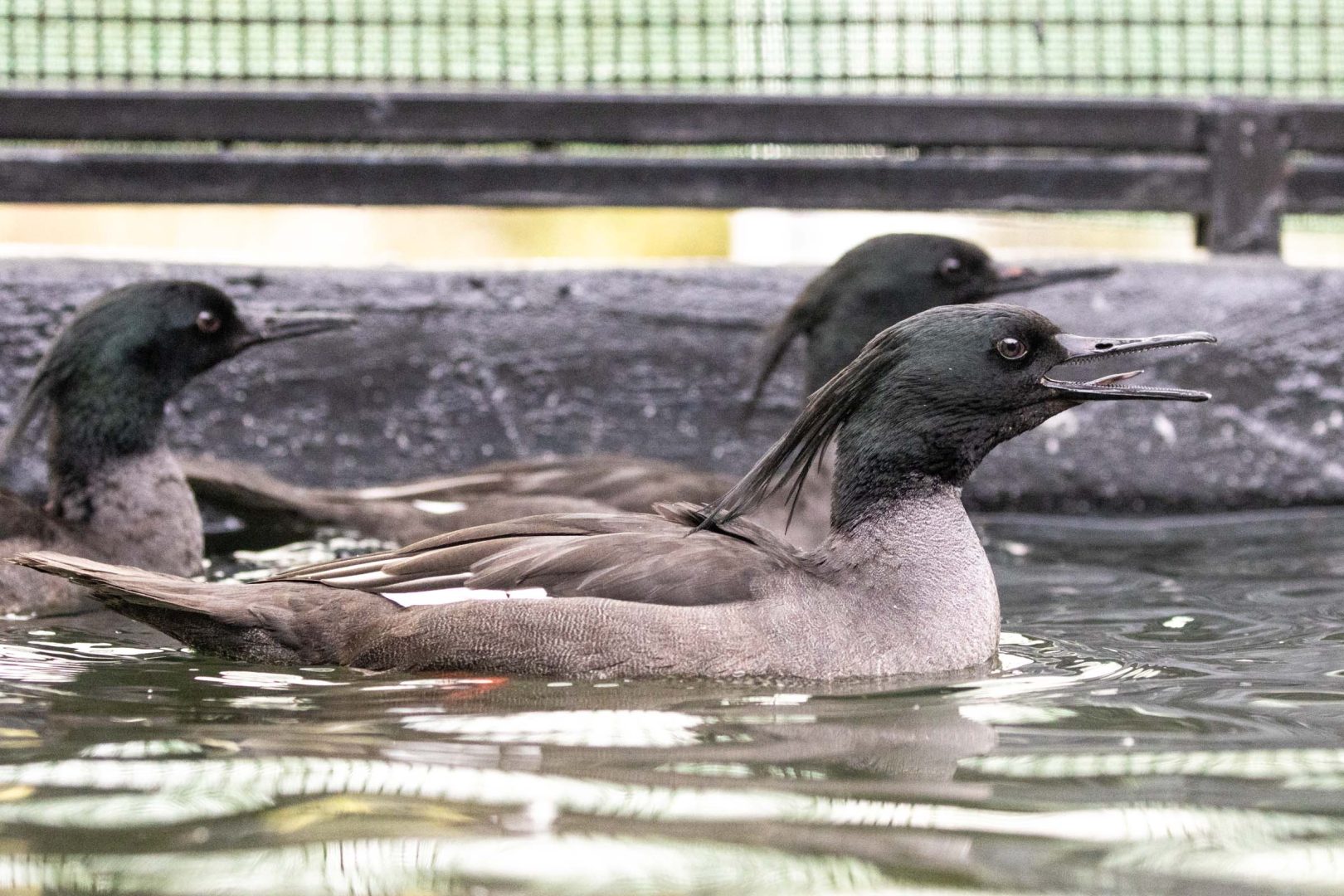
The Brazilian Merganser, also known by its scientific name, Mergus octosetaceus, is one of the most critically endangered species of waterfowl in the world, with an estimated global population as low as 250 individuals. Deteriorating water quality in the rivers and streams that these birds inhabit is largely to blame for their decline, which often results from agricultural practices, soil erosion, and dam construction. Without long stretches of clean, clear water, the mergansers are unable to hunt for the fish and aquatic invertebrates that make up most of their diet. “The Brazilian Merganser is a species on the brink,” says Dr. Dustin Foote, Director of Aviculture at Sylvan Heights Bird Park. “However, there’s a really great group of people and organizations that have been working together to help safeguard this species from extinction.”
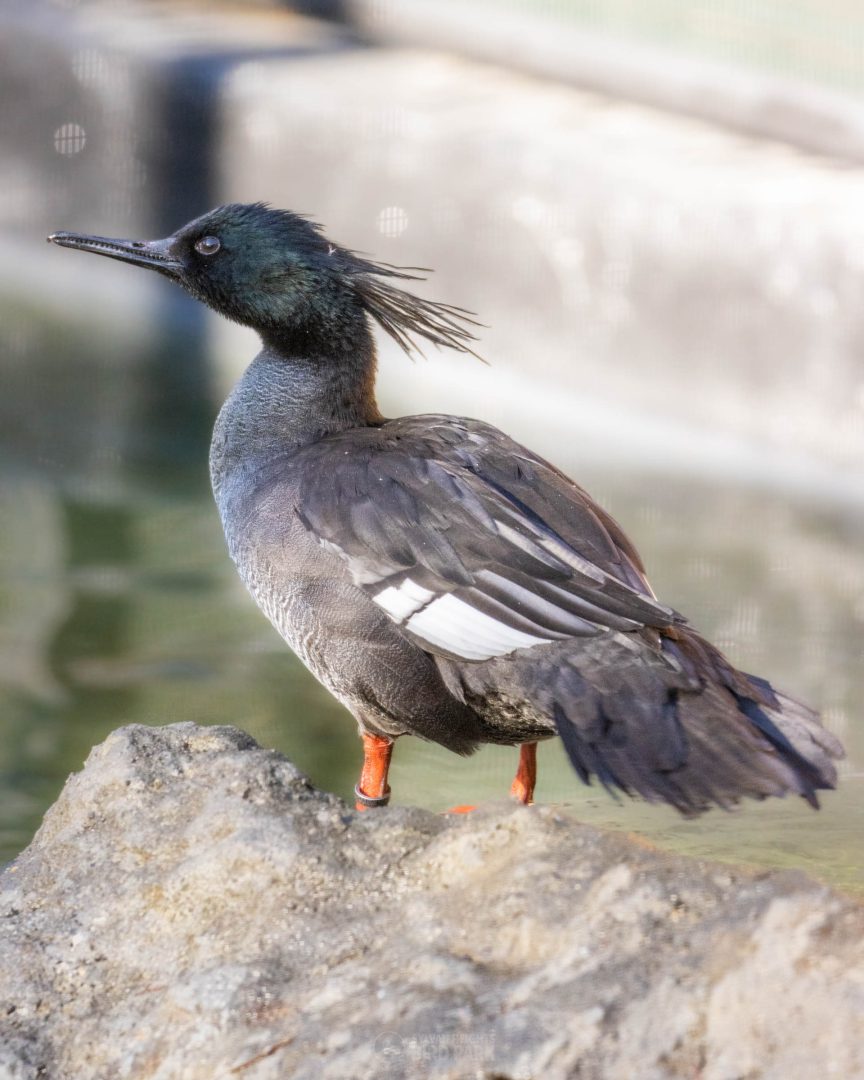
Sylvan Heights Bird Park has supported Brazilian Merganser conservation efforts in Brazil for more than two decades. Park co-founder, Mike Lubbock, made multiple expeditions to Brazil to study the birds and serve on expert advisory teams for the conservation of the species, which would eventually lead to the establishment of the first captive breeding program in Brazil in 2011. In 2016, Zooparque Itatiba became the headquarters for these critical breeding efforts, and the success of their breeding programs has significantly expanded the captive population of Brazilian Mergansers. To increase the likelihood of this species’ survival and reproduction, Zooparque Itatiba has sent potential breeding pairs of these rare birds to two facilities outside of Brazil: the Czech Republic’s Prague Zoo, and Sylvan Heights Bird Park in North Carolina. “For us, we’re basically an ark for the captive population – if something were to happen to the facility in Brazil, we would be able to send birds back,” says Dr. Foote. “Our goal is to make sure we can grow as healthy a population as possible here in the United States.”
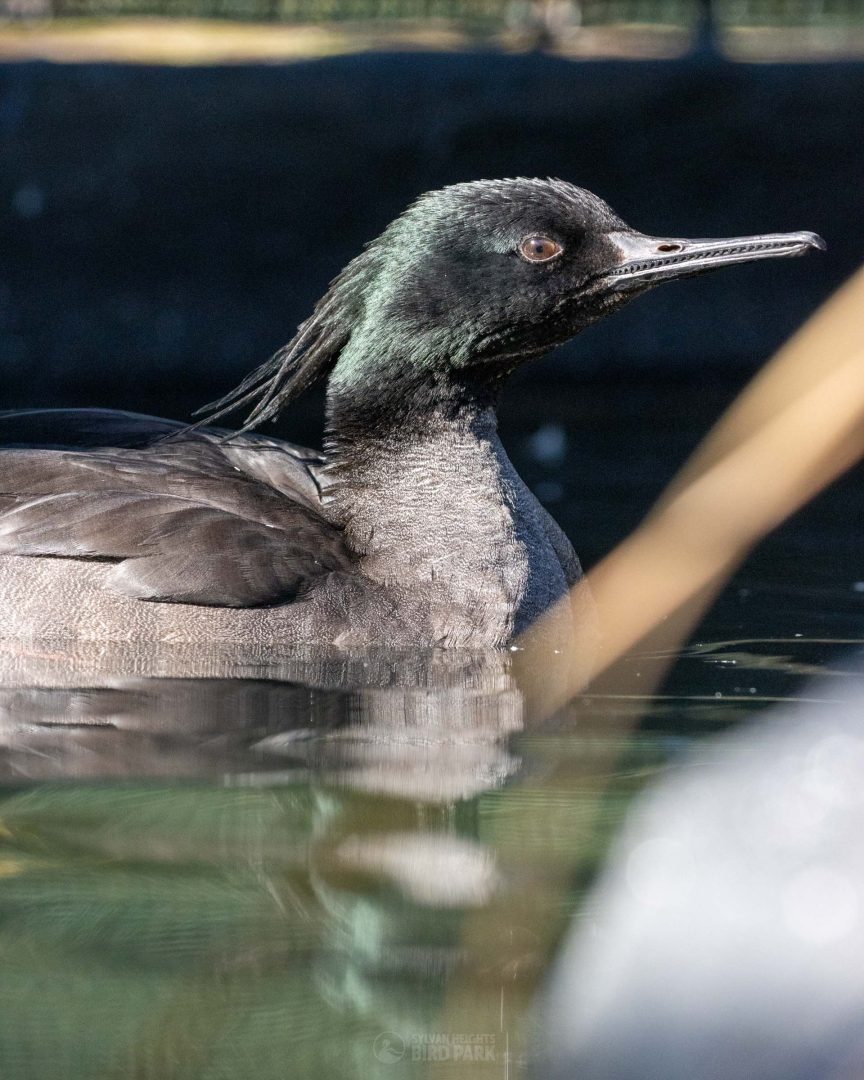
Sylvan Heights Bird Park’s aviculture team has constructed five new off-exhibit aviaries, designed with considerations for the mergansers’ specialized requirements. The merganser aviaries will allow park aviculturists to set up multiple breeding pairs in seclusion for the best chance of reproduction, with the goal of contributing to the conservation efforts for this species. While park visitors are not currently able to view the new birds, park staff has confirmed plans to feature Brazilian Mergansers in a future educational exhibit.